Navigating Barriers to Stability: How YouthLink’s InReach Program Supports Young People with Criminal Legal System Involvement
At the heart of YouthLink’s mission is a commitment to providing holistic, wraparound support to young people experiencing homelessness. This commitment is exemplified by the InReach Program, a critical initiative addressing unique challenges faced by youth involved with the criminal legal system. Through a partnership between YouthLink, Hennepin County Housing Stability, and Hennepin County Corrections’ Transitional Aged Youth (TAY) Unit, the InReach Program is making a tangible difference in the lives of young people who face significant barriers to stability by offering them the support they need to secure housing and work toward self-sufficiency.
The InReach Program: A Lifeline for Transitional Aged Youth
As shown by the story below, the InReach Program is a vital partnership, specifically designed to support young adults ages 18 to 24 who are on probation, often as an alternative to prison time. YouthLink serves as the housing resource for these young people, providing essential advocacy and support to those who are experiencing homelessness or housing instability. We ensure youth have a stable foundation to meet their probation requirements and navigate a successful transition to independent living.
Kevin Nye, YouthLink’s Director of Housing, explains that the InReach Program was born out of the belief that “housing—secure, stable housing—is the linchpin of what makes a person successful.” For young people involved with the TAY Unit, the stakes are particularly high. Meeting the requirements of probation—securing employment, attending appointments, and meeting with their probation officer, among others—is already a barrier. As Kevin notes, “The ability to do all those things without a safe, secure, stable home is nearly impossible.”
The additional barriers young people with legal system involvement face are significant. “Often, youth in this program are the hardest to house [out of all YouthLink clients],” Kevin shares. “They have criminal records, bad or no credit history, and no rental history. All the reasons that landlords are already hesitant to work with us are amplified even more.” Despite these challenges, the YouthLink team is dedicated to building relationships with landlords and advocating for their clients. The success of the InReach Program reflects the unwavering commitment and persistence of the housing case managers who relentlessly support the young people they work alongside.
Kenara’s Story: A Journey of Resilience and Hope
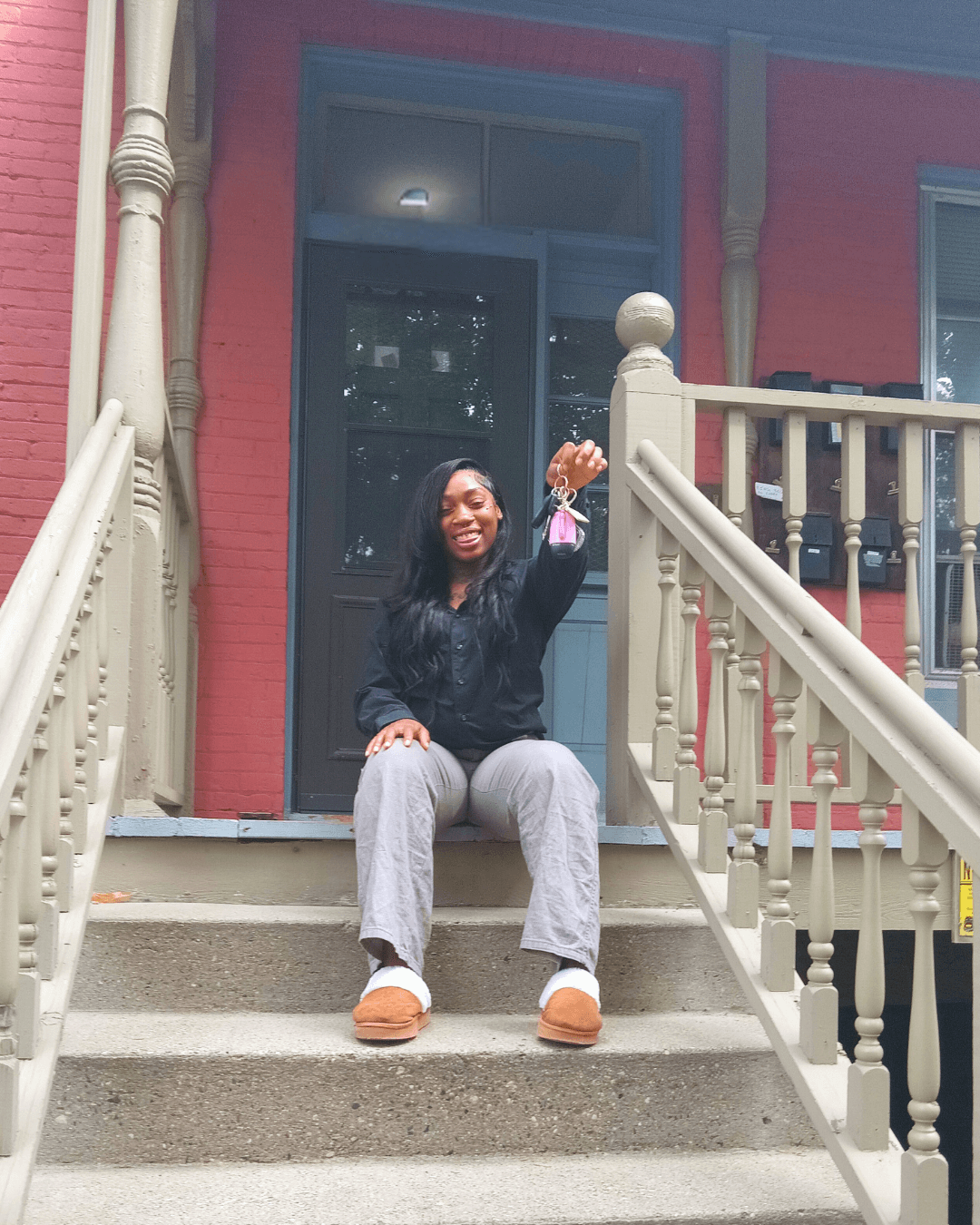
One of the most powerful examples of the InReach Program’s impact is the story of Kenara, a young woman who faced seemingly insurmountable obstacles on her path to stability. When she was first connected with YouthLink, Kenara was in a precarious situation. Her lease was ending, and despite her best efforts, she had fallen behind on rent when she lost her job due to recent criminal charges. Without intervention, Kenara would have found herself with an eviction record—making her almost untouchable to most landlords, one of the most severe barriers to secure future housing.
With the support of Mikaela Bartoo, one of YouthLink’s two Systems-Involved Case Managers (who also work with youth coming out of the foster care system), and the resources of the InReach Program, Kenara was able to avoid eviction but was not able to renew her lease. Mikaela worked tirelessly to leverage program funding, preventing this setback and ensuring that Kenara could continue her journey toward stability. However, the road ahead was still fraught with challenges. Without a permanent address, Kenara struggled to secure daycare for her three-year-old son, which in turn prevented her from working.
Despite these obstacles, Kenara’s determination, combined with Mikaela’s advocacy, ultimately paid off. Mikaela connected with a landlord willing to give Kenara a chance. After a month of negotiations, gathering letters of recommendation, and coordinating with various individuals, including Kenara’s probation officer, they secured a new home for her and her son. They moved in last month.
The impact of stable housing on Kenara’s life cannot be overstated. Kenara has been so successful in the program that she was released off probation early. Mikaela reflects, “She’s showing up for everything in all the ways that she needs to, and she’s said it’s not something she would have been able to do without the support this program could provide.” Today, Kenara is thriving. She’s working full-time, her son is happily enrolled in daycare, and she’s even planning to start college in the fall to pursue her dream of becoming a nurse.
The Broader Impact: Preventing Recidivism and Promoting Success
Our impact extends far beyond individual success stories. By providing an opportunity for young people to access and maintain stable housing, YouthLink’s InReach Program plays a crucial role in preventing recidivism (repeat offenses or a return to prison) and promoting long-term stability. As Kevin emphasizes, “If this program didn’t exist, we would see a lot more young people on the streets, and we’d see a lot more young people in jail and prisons.” The InReach Program is not just about housing; it’s about giving young people the opportunity to build a future.
For YouthLink’s housing case managers, the work doesn’t end once a young person is housed. The first three months after securing housing are critical, as young people navigate the challenges of building relationships with landlords, learning to manage rent payments, and adjusting to their new environment. YouthLink is committed to providing ongoing support during this transitional period, recognizing that true stability takes time. Case Manager Jonathan Brown has been with the InReach program since its inception and is a big reason why it’s still around and thriving. In the early days, when the program was new and the funding was minimal, it was Jon’s commitment to relentless support, follow-through, and advocacy that proved the concept for what InReach could be and accomplish. The impact of this commitment is illustrated by 90% of youth housed remaining stably housed at the one-year mark of engagement or program exit.
A Call for Support
The success of the InReach Program is a powerful reminder of what’s possible when young people are given the support and opportunities they need to succeed. As we continue to work toward a future where every young person has a safe and stable place to call home, we invite our supporters, donors, and community members to join us in this mission. Whether through financial contributions, volunteer efforts, or simply spreading the word about the important work being done, every bit of support makes a difference.
Together, we can ensure that more young people like Kenara have the chance to build a brighter future. Because at YouthLink, we know that success starts with housing, and it’s the wraparound support from our case managers that turns that key. It’s the advocacy, dedication, and belief in each young person’s potential that changes lives—one home at a time.