Nicollet Square: Building Stability Through Trust and Connection
At YouthLink, our goal goes beyond providing housing—we work alongside young people to help them build a foundation for a safe, stable, and fulfilling life. Nicollet Square, one of the two site-based supportive housing complexes where we provide services, embodies this goal every day.
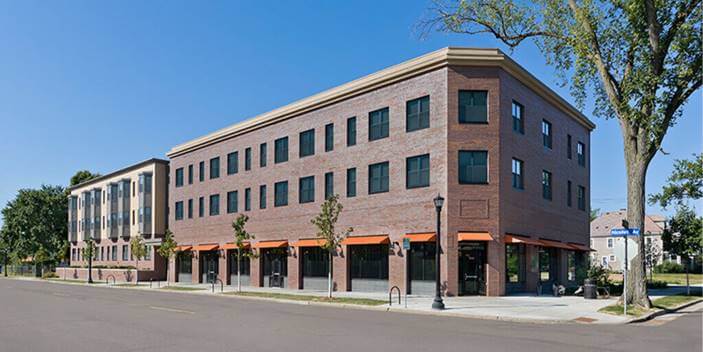
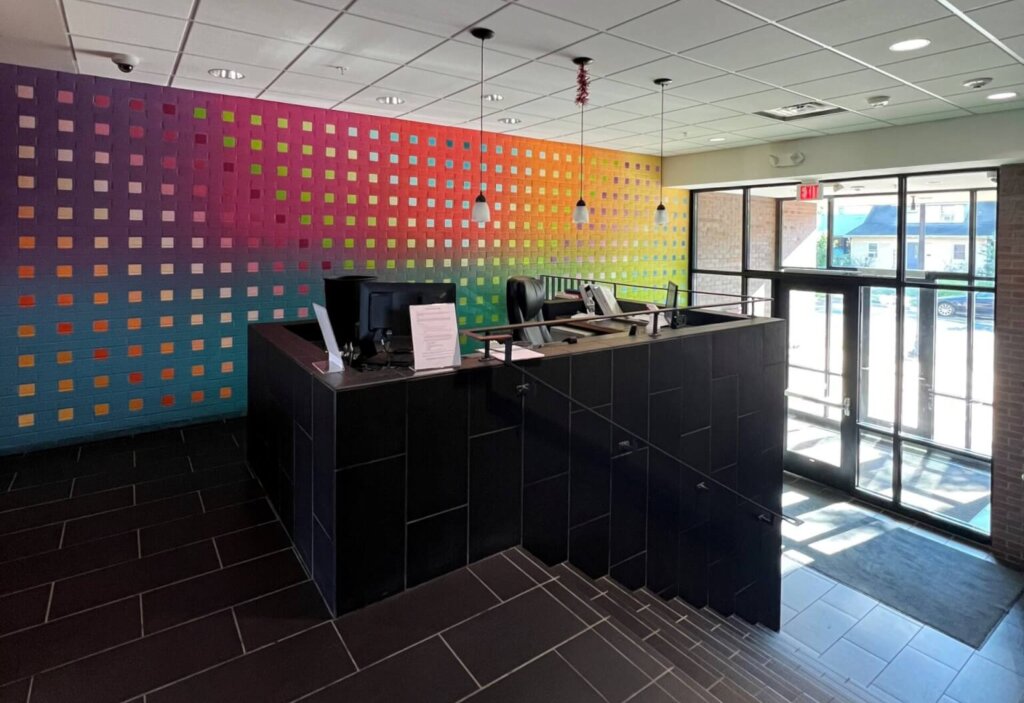
Located in south Minneapolis, Nicollet Square was built by Beacon Interfaith Housing Collaborative in 2011 and houses 42 young people—primarily ages 16–21—many of whom aged out of foster care. Onsite YouthLink staff provide wraparound support, including case management, counseling, employment coaching, a food pantry, and life skills education. The impact is simple yet powerful: when youth leave Nicollet Square, they transition into housing that meets their long-term needs and helps prevent a return to homelessness.
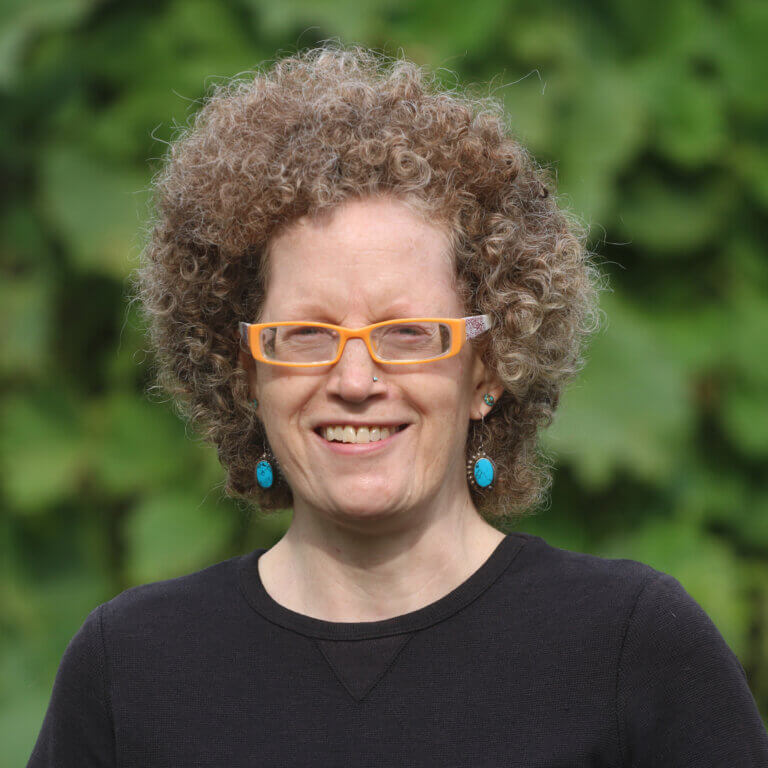
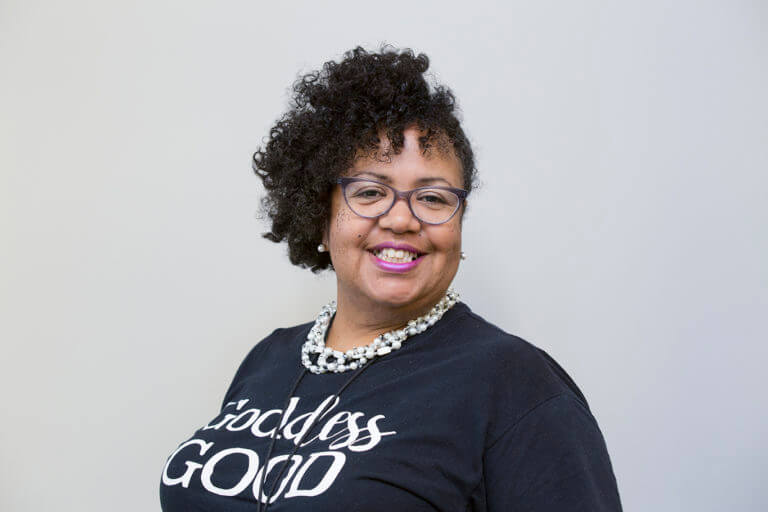
But what truly sets Nicollet Square apart is not just the services—it’s the people. Supervisor Mark, case managers Dee and Abbie, Career and Education Coach Natalie, and mental health therapist Betty work together to meet each resident where they’re at, focusing on relationship-building as the cornerstone of stability.
From Anxiety to Belonging
For many young people, moving into Nicollet Square is a big step toward independence—and it often comes with anxiety.
“They experience anxiousness because it’s such a fear of the unknown,” says Dee, who has been a case manager at Nicollet Square for seven years. “They don’t know their neighbors or what to expect. As time goes on, they start to feel safe, meet more people, and become more open.”
Abbie, who has been at Nicollet Square for four years, agrees. “It’s hard for them to trust us as staff because they’ve probably had, like, 18 of us in their lives—social workers, county workers—people who’ve said they’d help but it didn’t work out. We focus on building relationships and making them feel comfortable in the building.”
Mark adds that for many youth, initial mistrust comes from repeated disappointment in systems meant to help them. “They’re very guarded and reluctant to hope. They’re waiting for the other shoe to drop. Our job is to prove—through action every day—that we are their people now.”
Services That Meet Immediate Needs—and Build Lasting Trust
Like many supportive housing programs, Nicollet Square offers practical resources—bus tokens, food, hygiene supplies, access to laundry, and help with employment and health care. But as Mark explains, “What’s different is the way we do things and the way we are with people. We step into the humanity of the situation and practice deep empathy.”
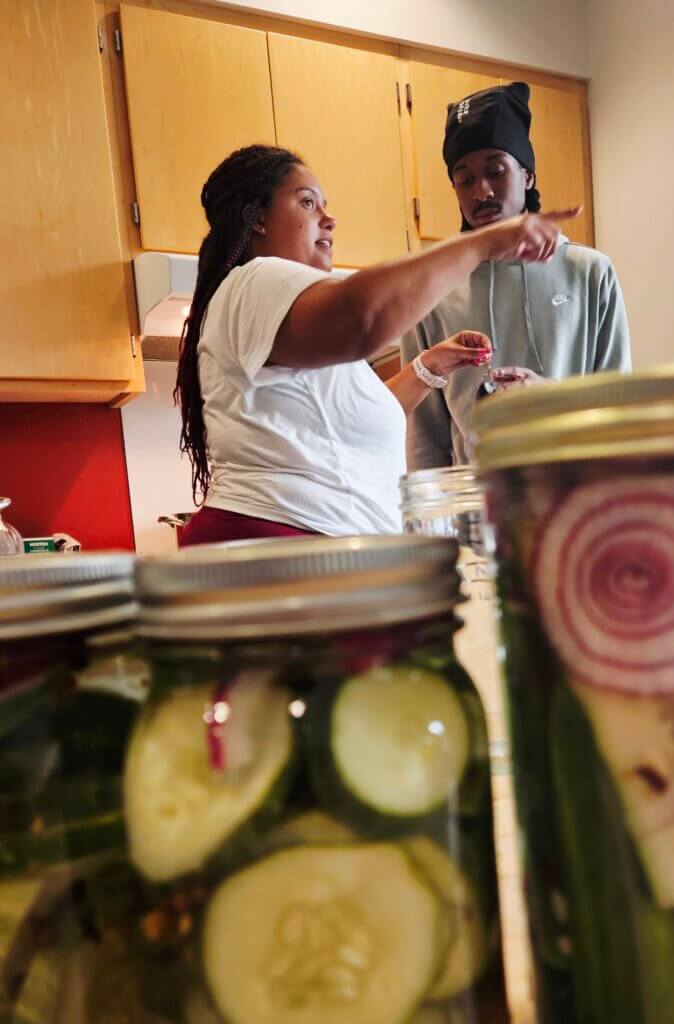
Case managers balance transactional support with relational work. “Everybody’s needs are different,” says Dee. “Some residents we see every day, others less often. A lot of it is providing emotional support—someone to vent to or an older, trusted adult to get advice from.”
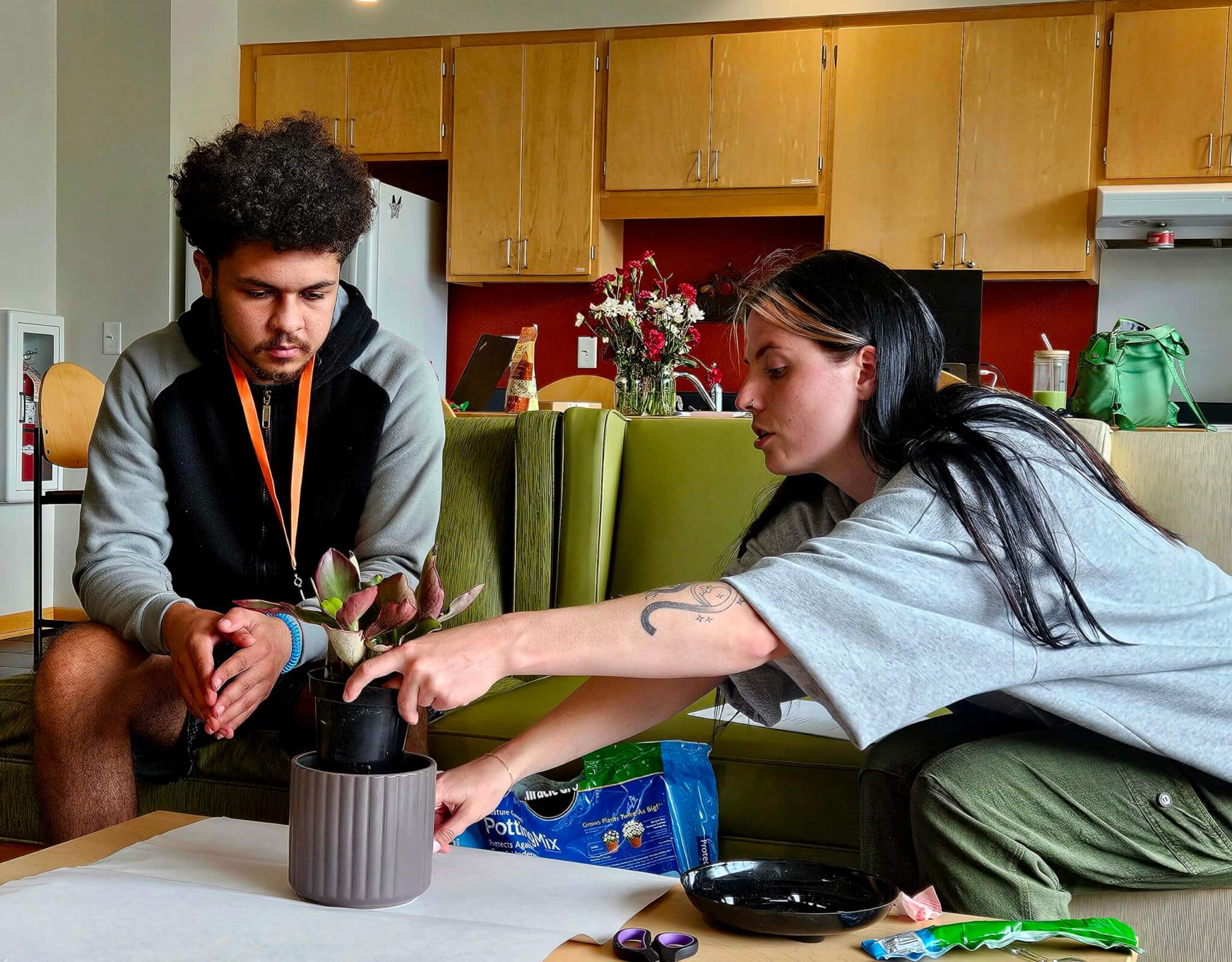
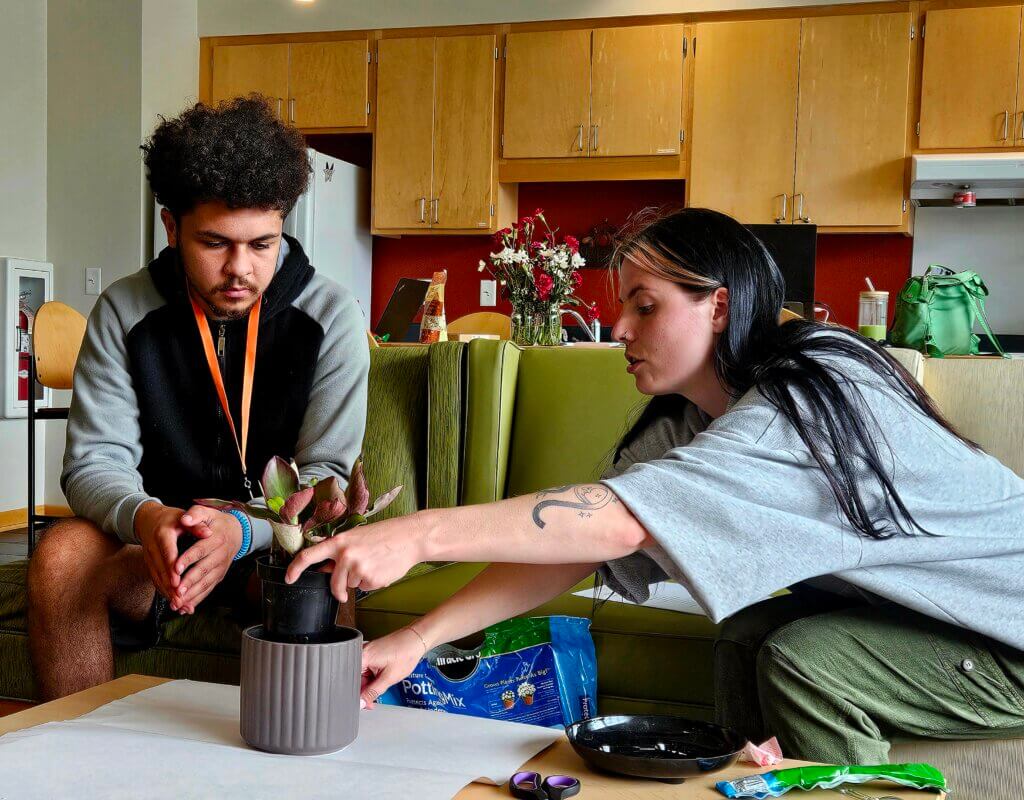
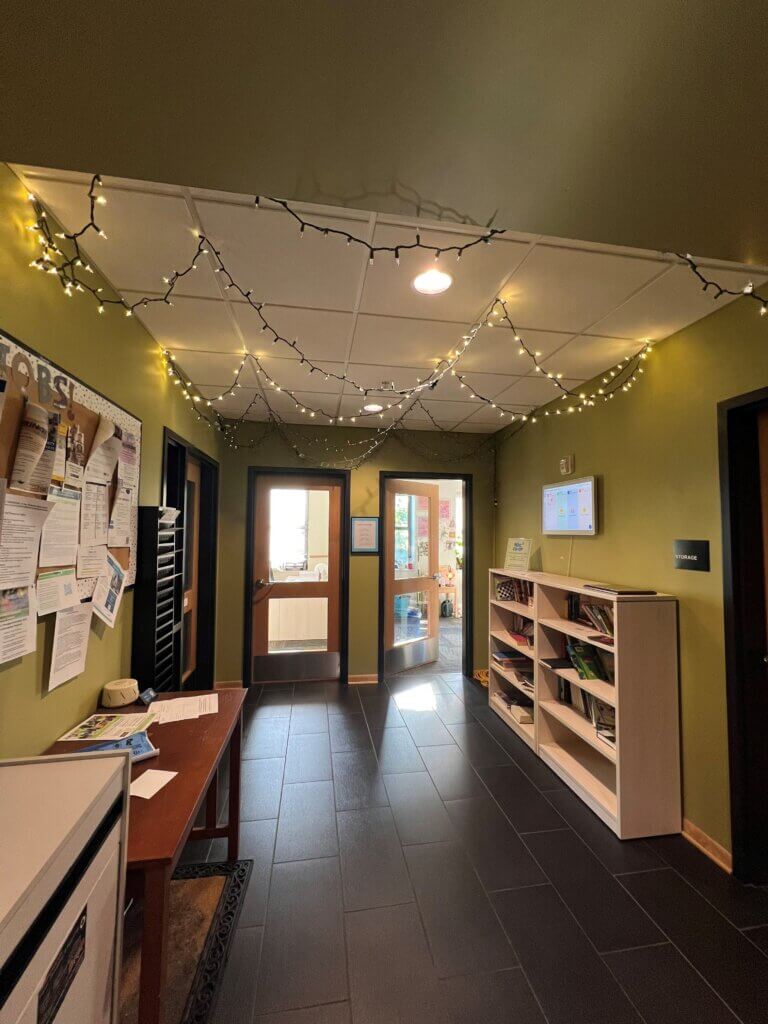
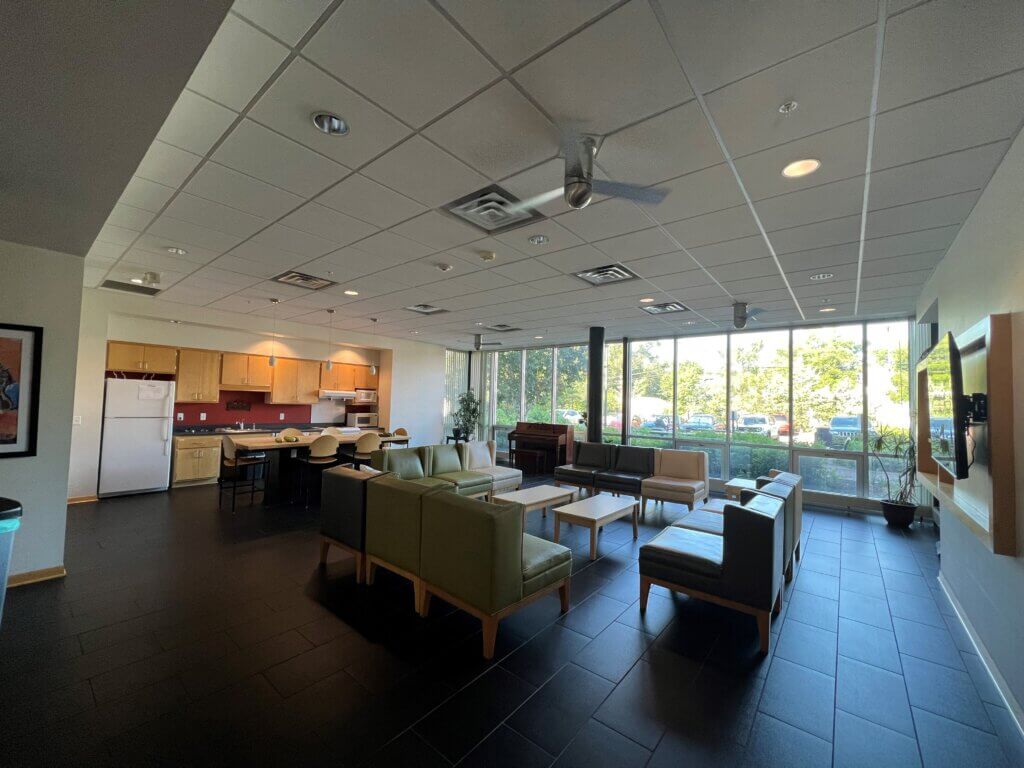
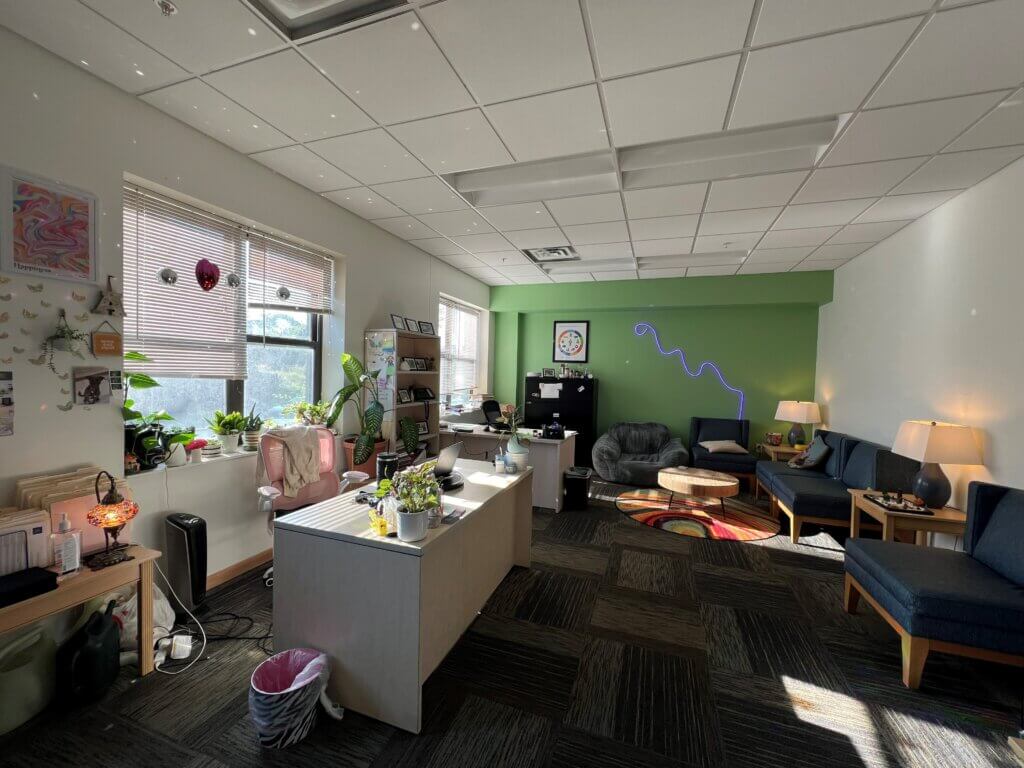
Mark describes their approach as creating safe, welcoming spaces where youth feel they belong. “People come down because they like the environment—Abbie’s plants, the music, a card game on the table. It feels like theirs.”
Importantly, services at Nicollet Square are never forced. “That gives them a sigh of relief,” says Betty. “They know it’s their choice to engage, and that makes it more meaningful.”
Standing With Youth Through Crisis
For privacy and safety, the names of youth in this story have been changed.
Tony’s story
When Tony first arrived at Nicollet Square, he had a job and was trying to adjust to life in Minneapolis after moving from Saint Paul. Dee, Nicollet Square case manager, remembers that at first, Tony’s challenges seemed small—navigating unfamiliar bus routes, finding his way around the city. But over time, Dee noticed changes.
“In the fall, he started to get inconsistent and seemed more distracted,” Dee recalls. “By November, he needed constant reassurance.” Concerned, the staff dug deeper and discovered Tony had been without his prescribed mental health medication for over a year. His symptoms were worsening, and the team knew he needed more support.
For months, Dee personally accompanied Tony to weekly appointments with a nurse practitioner, helping him restart his medication regimen. But as Tony’s needs grew, it became clear he needed around-the-clock care. He entered a treatment facility, where Mark personally drove him, met the staff, and made sure Tony knew he could come back home when he was ready.
“What I love about this program,” Mark says, “is that people can leave to get the help they need, and we’ll hold their home for them. If Tony had a broken neck, no one would question keeping his apartment. Mental health should be treated with the same respect.”
After a few months in care, Tony returned to Nicollet Square. The process wasn’t seamless, but it was his choice—and the team respected that. They continue to support him as he rebuilds stability, proving that housing can be a steady anchor through life’s storms.
Noah’s story
Noah’s journey at Nicollet Square started with promise—he was employed at Little Caesars and focused on his goals. But when he lost his job and the pandemic hit, everything changed. His mental health declined, and he began to engage in heavy drug use.
“It was bad,” Dee says. “His skin, his hair—you could see the deterioration.” For about a year, Noah spiraled. Many housing programs might have evicted him for unpaid rent, but at Nicollet Square, the staff doubled down on support. They worked closely with Noah’s mom, making her a partner in his care.
“I’ll never forget when his mom sat in my office and said, ‘I’m afraid my son’s going to die. What can we do?’” Mark says. “We reassured her that we had his best interest at heart and that we’d include her in the program. Ultimately, she was the one who convinced him to go to treatment.”
After treatment, Noah returned healthier—physically and emotionally. His story is a testament to what’s possible when housing is stable, support is consistent, and families are brought into the process as allies.
The Power of On-Site Support
The stories of youth at Nicollet Square are a reminder that housing alone isn’t enough—it’s the relationships and support systems around that housing that make long-term stability possible. For many young people, mental health challenges are part of their journey, often deepened by the trauma of homelessness. As the National Alliance on Mental Illness (NAMI) notes, “Access to affordable housing is a critical social determinant of health, and a person’s access to housing can affect — and is affected by — mental health.” Without housing stability, symptoms of stress, anxiety, and depression can intensify; without mental health care, housing can be difficult to maintain.
That’s why Nicollet Square’s model is so powerful. Case managers and mental health providers work together, offering comprehensive, embedded supports right where youth live. Betty, a mental health therapist from Avivo, is part of the team that walks alongside residents—sometimes simply listening, sometimes helping them navigate crises, and sometimes providing sustained therapeutic engagement. For youth who have faced a lifetime of disappointment from “systems,” this consistent and compassionate presence can be life-changing.
As Dee explains, “Being present and building relationships is half the battle. Once youth understand we’re not judging them, they’re more willing to work with us.” Mark adds that the work is about modeling healthy, loving relationships—being vulnerable, navigating conflict, and returning to care afterward.
At Nicollet Square, housing is just the beginning. The real transformation comes through trust, connection, and unwavering support. It’s in these relationships that youth find the stability to not only keep their housing, but to believe and invest in their own futures.
To support this vital work, consider becoming a monthly donor. Your ongoing commitment helps ensure that young people at Nicollet Square—and across our community—have the stability, resources, and relationships they need to thrive. Visit YouthLink’s website to set up your gift today. Now more than ever, our community’s youth need us to show up, stand alongside them, and invest in their futures.