Ending Homelessness Takes More Than Housing: Why Drop-In Services are Essential
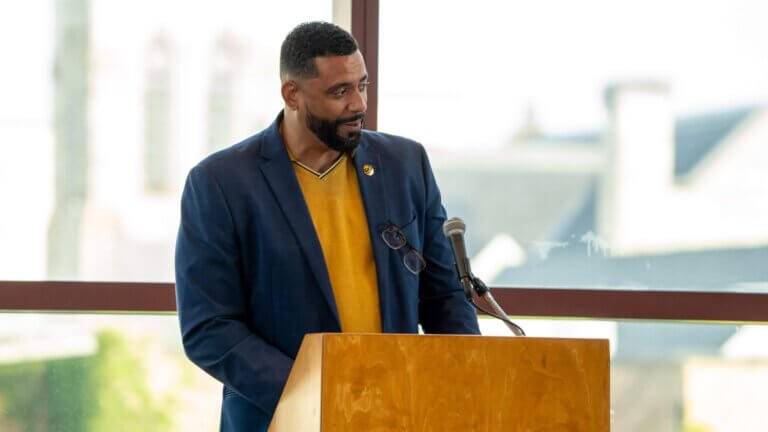
This month, we’re excited to feature a guest perspective on the YouthLink blog from our Housing Director, Kevin Nye. With more than a decade of experience working in homelessness services, Kevin brings a thoughtful, on-the-ground understanding of what it truly takes to support young people on their path to stability.
In this blog post, Kevin reflects on the powerful connection between YouthLink’s Drop-In Center and housing programs—sharing why these services, though often seen as separate, are deeply intertwined. His perspective offers a behind-the-scenes look at how relationships, consistency, and community make lasting housing success possible.
“Ending Homelessness Takes More Than Housing: Why Drop-In Services are Essential“
By Kevin Nye, YouthLink Housing Director
For as long as I’ve worked in homelessness (more than 10 years), I’ve had the all-too-rare experience of working with an organization that had a robust drop-in center. My first job in this field was to welcome unhoused community members into an outdoor drop-in space nestled in the middle of Hollywood, CA. We would get to know people, build trusting relationships, and help navigate the complicated systems that those experiencing homelessness are dependent on—housing lists, benefits, health insurance, and where to find a meal or take a shower. When I accepted the job to come to Minnesota and join YouthLink, one of the big draws for me was our incredible Drop-In and all the services that make up the Youth Opportunity Center.
It might surprise you, then, to know that I don’t even work in that department. I serve as YouthLink’s Housing Director, which is a separate department from Drop-In. On an org chart, my branch goes in a different direction—but that doesn’t tell the whole story. For one, leadership at YouthLink is not siloed, but integrated; we all share and speak into each other’s work. But the connection runs even deeper than that: I fully believe that my job as Housing Director depends every single day on the Drop-In running effectively, compassionately, and robustly.
I love working in Housing. Supportive Housing, after all, is what ends homelessness. Even for those with the highest barriers, pre-existing conditions, and behavioral challenges, stable housing with wraparound care is successful more than 90% of the time for ending homelessness. (At YouthLink, it’s 94%.) When folks get housed through us and get all that we have to offer, they stay housed without returning to homelessness.
So what does this have to do with having a drop-in center?
To get someone into housing in the first place, 1000 things have to go right: a person needs to get assessed for housing by someone who can verify their homelessness, their income, and other qualifying factors. They are then placed on a priority list for an available unit—this process can take months. In the meantime, they have to stay connected. If a unit becomes available, how will the system let them know? They’re not likely to have a consistent phone number to be reached at. They may stay at one shelter for a few nights before having to move on to the next. They may be couch-hopping between any number of friends and family. They may be sleeping in a car or a tent, which on any given day can be relocated. In that months-long waiting period, they also need their basic needs met—food, hygiene, health-care, human connection. The most frustrating thing about working in housing is that we simply don’t have enough of it, and so while people are waiting for their spot, we need Drop-In spaces to keep folks safe, alive, and to keep them close.
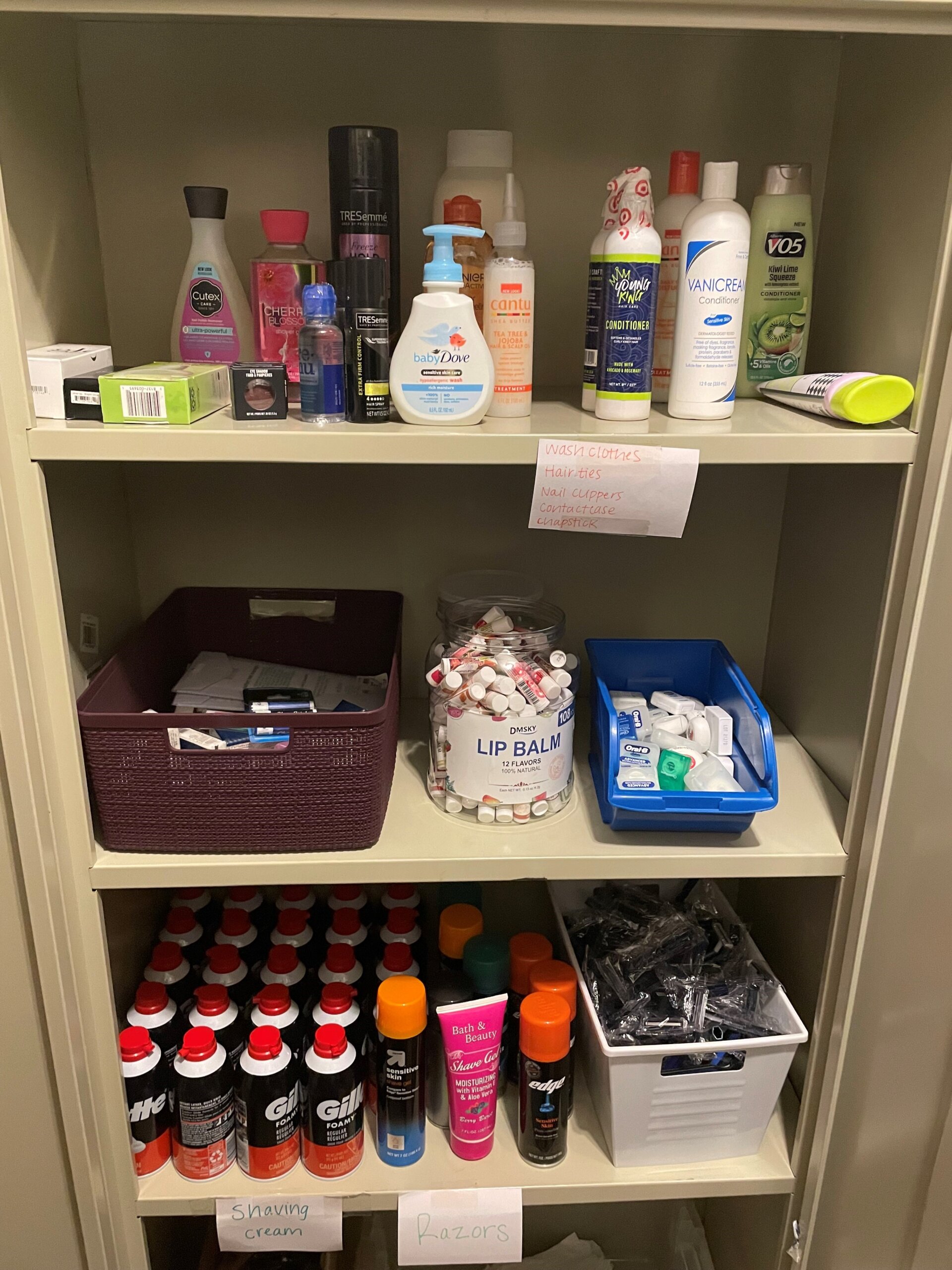
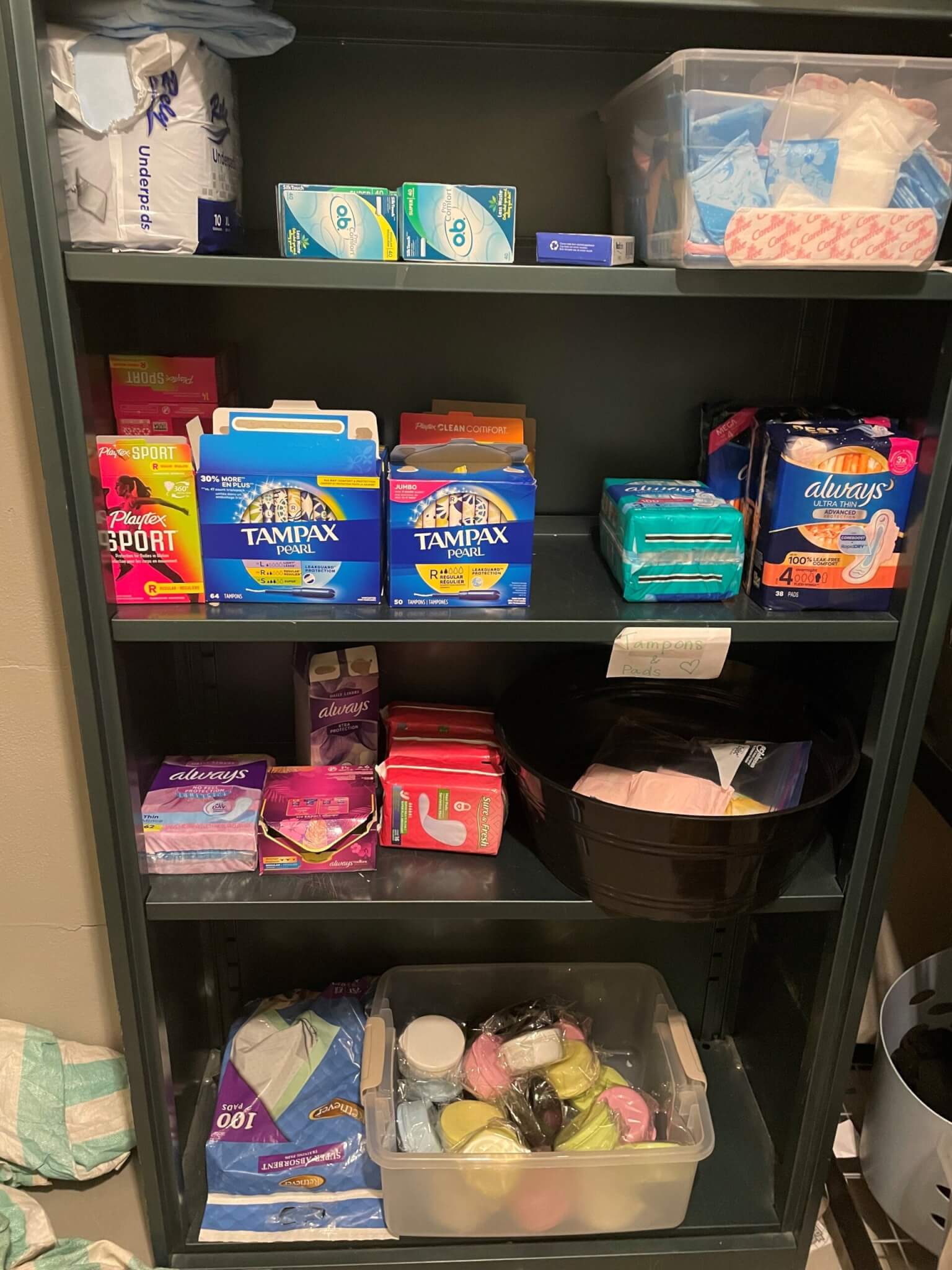
Hygiene Closet in the Drop-In Center, where youth can access essential items whenever they need them.
On top of this, we know that housing alone often does not resolve homelessness. The model is called “Housing First” because after housing, wraparound support begins. What’s amazing about having a Drop-In is that the wraparound services start even earlier, and continue at the point of housing. A Drop-In case manager will gracefully transfer the official services to a housing case manager, but the relationship and trust that was built gets to continue and only grow. Folks who live at Downtown View, Nicollet Square, or are housed through our Scattered Site programs maintain all the relational and tangible benefits of Drop-In (a hot lunch, a trusting youth-adult relationship, programming and activities, and so much more). Moving into housing, however exciting and life-changing, is a difficult transition for many. The continuity of community provided by a safe and stable Drop-In that welcomes you before, during, and after this transition is what allows young people to be receptive and open to all that stable housing can do for them.
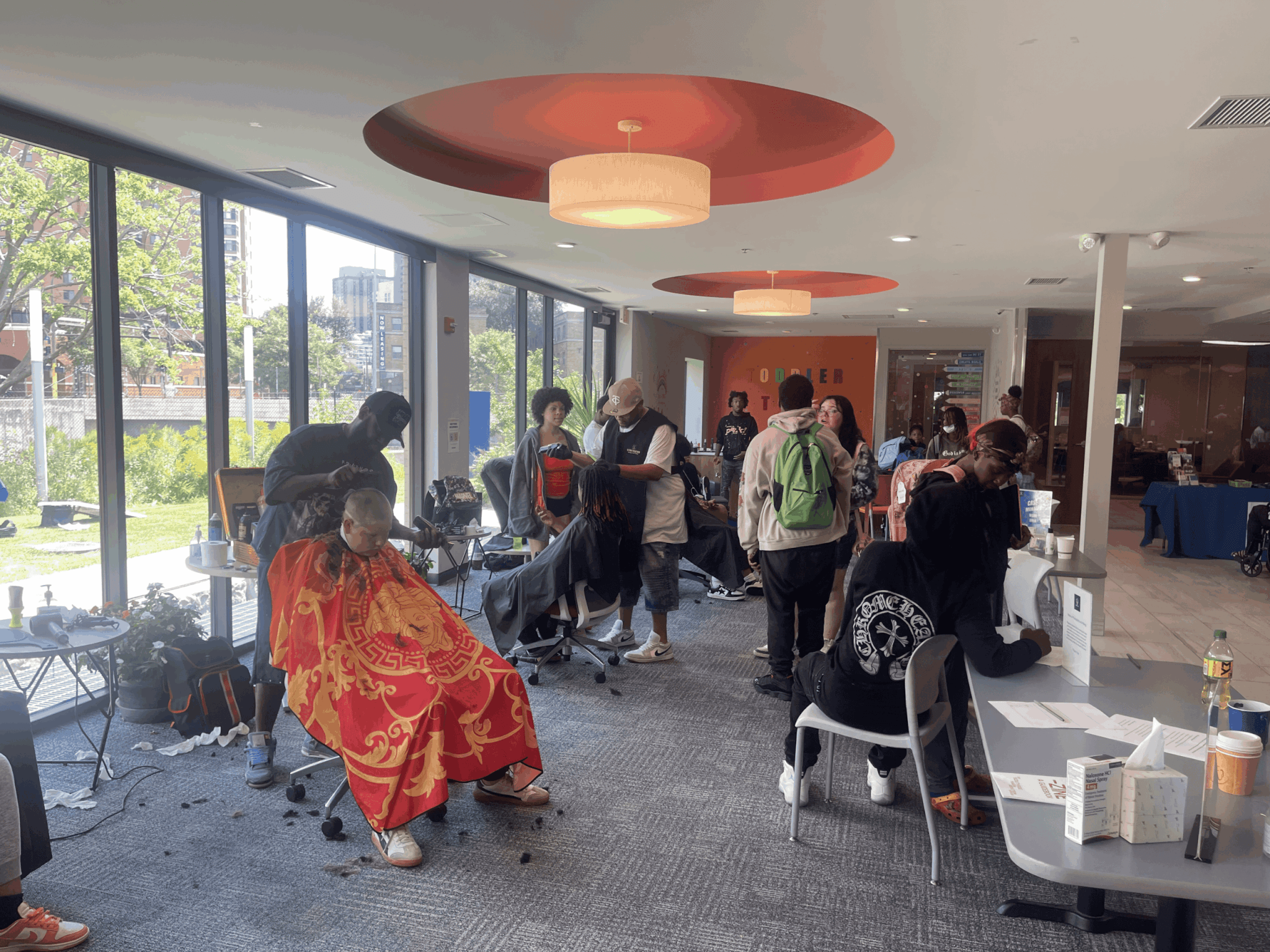
I get to see this in action every day. When a name comes up for someone to move into Downtown View, I can often go next door and find them to deliver the news, rather than beginning a county-wide search. When someone who has housing through Scattered Site loses their phone and needs to reach their case manager, they come to the drop-in to reestablish contact. When an unhoused person visits their cousin living at Nicollet Square and wonders how they could ever get lucky enough to live in a place like that, we send them to Drop-In to begin the process.
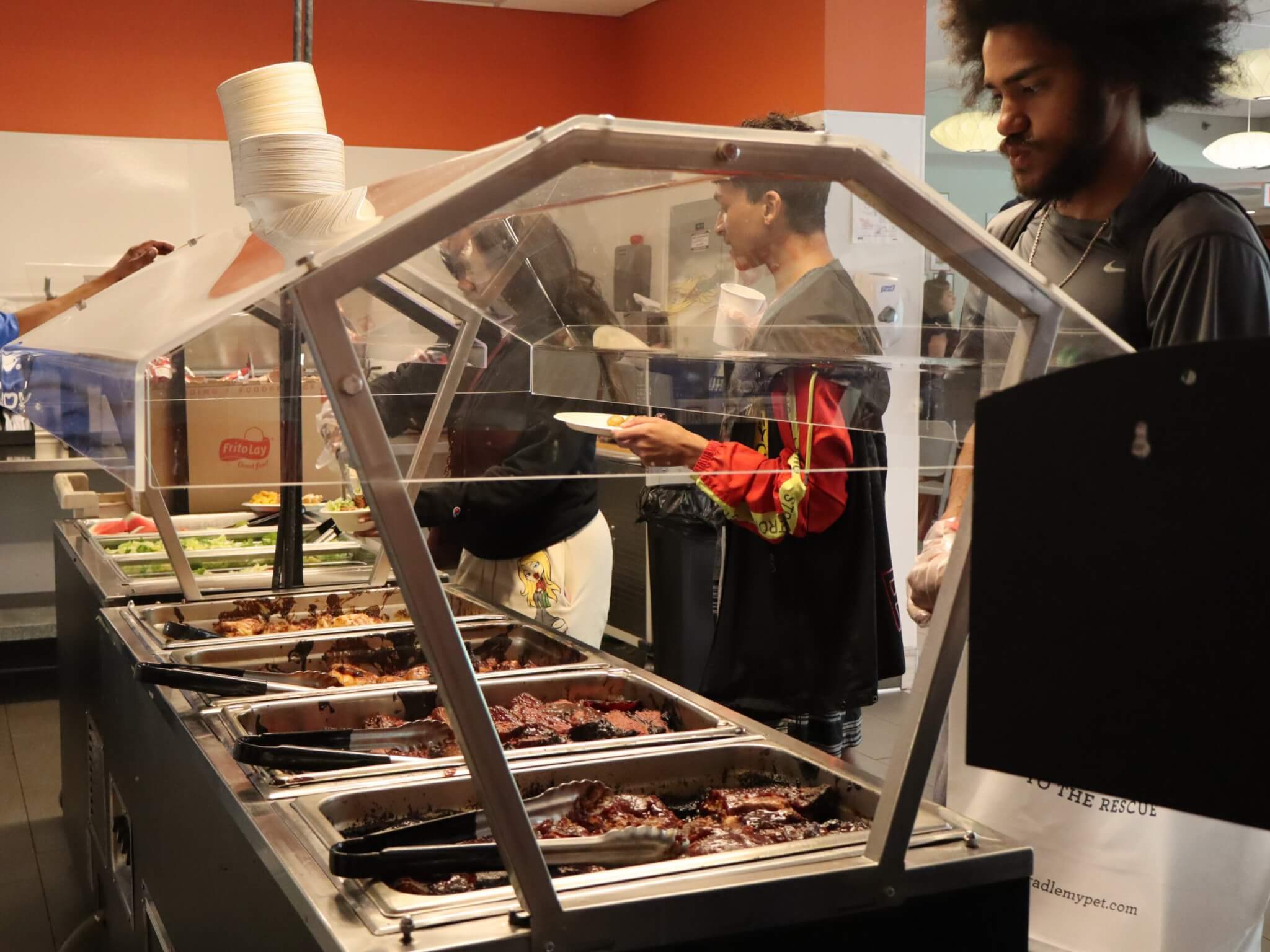
Without a consistent, safe, nurturing space for young people to land at every step of their housing journey, our job in the Housing department would be unimaginably harder.
Until we have enough safe, affordable, and accessible housing units for every single young person in the Twin Cities, we will need Drop-Ins for people to get and stay connected. And even if we had that, we would still need places like Drop-In for housed folks to find community, belonging, and continuity on their path to stability.
If you love seeing young people get stably housed—if you want homelessness to be rare, brief, and non-recurring—support Housing programs, and support the Drop-Ins that help make their efforts more seamless.