Meeting Youth Where They Are: Mental Health Access at YouthLink
Mental Health Awareness Month
At YouthLink, we know that supporting mental health is essential for youth experiencing homelessness. The journey to stability involves more than a roof overhead. It’s about healing from trauma, building trust, and navigating systems that are often confusing and intimidating.
The reality is, accessing mental health care is not always simple—especially when you’re a young person focused on securing basic needs and just trying to survive.
Common barriers youth often face in accessing mental health care include:
- Lack of insurance coverage or confusing insurance policies
- Limited transportation to appointments
- No access to a phone, computer, or internet
- Long waitlists and limited availability
- Difficulty finding providers who reflect their identity or understand their experience
- Stigma around utilizing mental health services
- A general lack of trust in systems due to past trauma or mistreatment
That’s why YouthLink has made intentional efforts to meet young people where they are.
Bringing Therapy In-House
YouthLink has a long history of providing mental health support—services that we intentionally strengthened in 2022 by partnering with Avivo to embed a mental health therapist directly into our Drop-In Center.
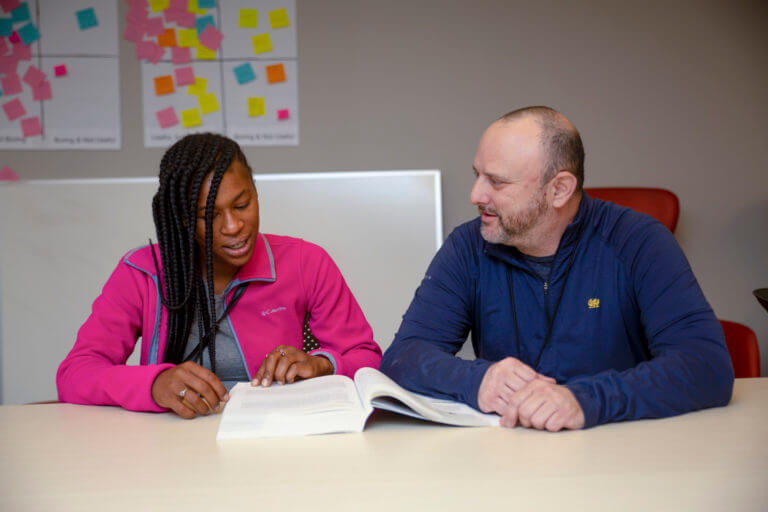
Andrea Riskey is that therapist—and because her office is located in the heart of the Drop-In Center, she is a friendly face to youth. They say “hi” in the lunch line. She’s familiar. Approachable. Real.
“I try to make it as welcoming as possible,” Andrea says. “It’s less intimidating than walking into a clinic. You’re already comfortable in the space—you know the case managers.”
For many of the young people that come to YouthLink, comfort is key. They’ve been let down, hurt, or ignored by adults and systems that were supposed to help. Trust is earned slowly. But seeing Andrea every day—chatting at the front desk, laughing with a case manager—makes it easier to walk over and ask, “Hey, can I talk to you?”
And when they’re ready, she’s there.
Whole-Person Support
Of course, therapy is most effective when basic needs are met.
“You can’t do therapy if someone doesn’t know where they’re sleeping that night,” says BJ McElrath, Service Area Director at Avivo. “If you’re doing therapy and all you can think about is how hungry you are, we’re only going to get so far in that session”
That’s what makes YouthLink’s Drop-In model so effective. Young people can stop in for a hot meal, take a shower, access clothing and hygiene items, meet with a nurse or a housing case manager—and connect with mental health support. All in one space. All under one roof.
“It’s kind of a dream come true for providing effective services,” BJ says.
Support Beyond Therapy
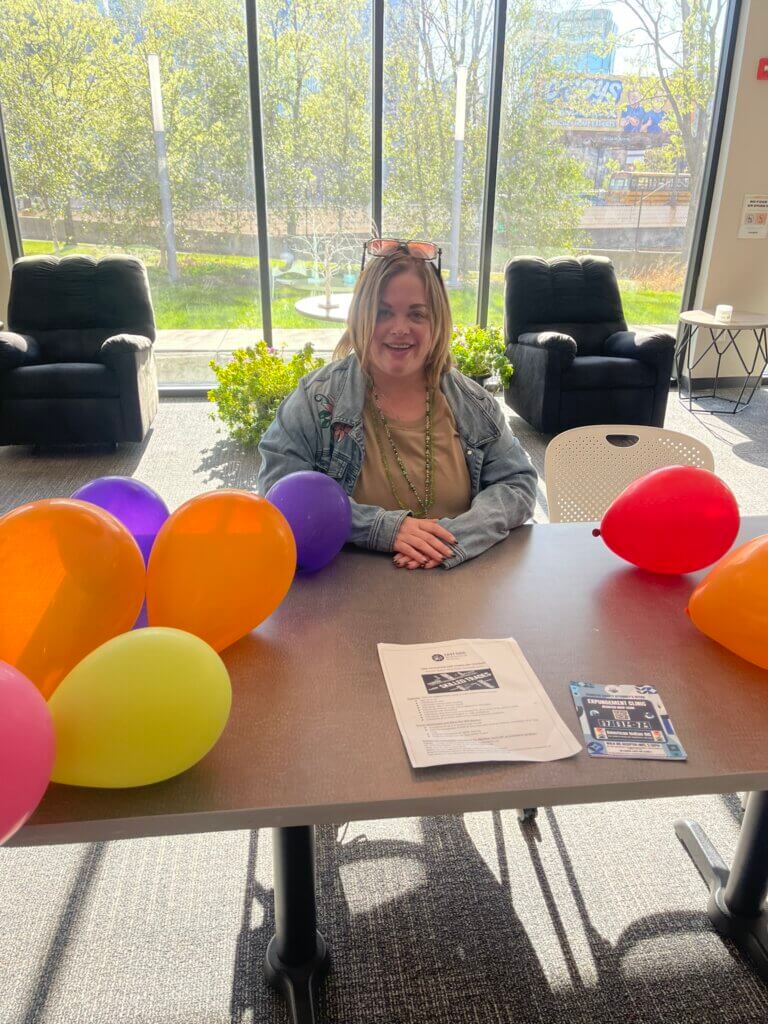
In addition to having a therapist on-site, YouthLink also provides dedicated mental health case management. Shelli, YouthLink’s Mental Health Case Manager, helps youth navigate everything from housing and rental assistance to crisis intervention and mental health support.
“Mental health looks different for everyone,” Shelli says. “For some, that means weekly therapy. For others, it’s a holistic approach, like helping them reconnect with culture, find community, or learn new coping skills.”
Shelli’s goal is to meet each young person where they are—offering judgment-free, flexible support that reflects their unique needs and goals.
From Surviving to Thriving: A Young Designer’s Journey
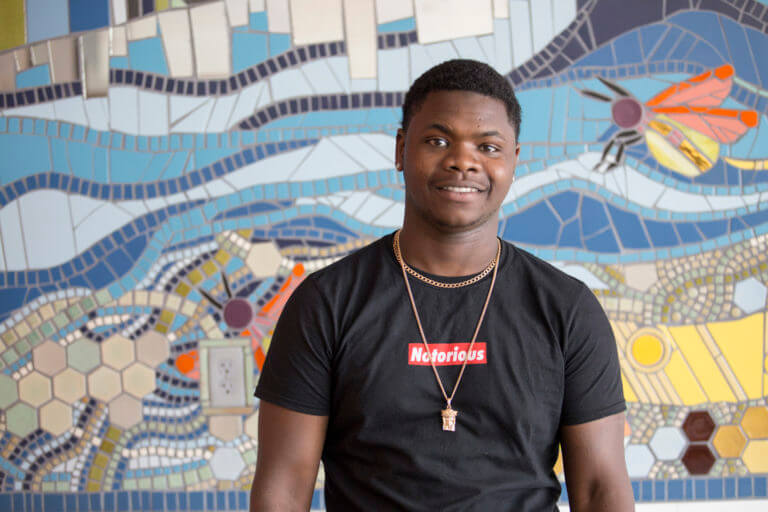
“I started working with a young man about a year and a half ago,” Shelli shared. “When he came to YouthLink seeking support, he was unhoused, living on the street, and navigating some really tough mental health challenges.
We started by focusing on his mental health. Once he had a diagnosis, it was like something clicked. Understanding his mental health allowed him to better make sense of his past experiences, and through meeting with the Mental Health Therapist, he gained tools to manage his behavior that became a turning point.
Not long after we started working together, he told me, ‘One of the things that’s always been important to me is my creativity.’ We dug into that together and discovered he had a real passion for fashion design. That opened doors. He got involved in fashion shows, and having that creative outlet has been such a powerful piece of his healing journey.
Now, he’s in his own apartment—with access to on-site studios where he can keep creating—and he’s working. We still check in every week, and he continues to use the mental health resources at YouthLink. He’s built this new chapter for himself, and I just feel lucky to witness it.”
A Safe Place to Unpack
At YouthLink, we don’t expect young people to leave their struggles at the door.
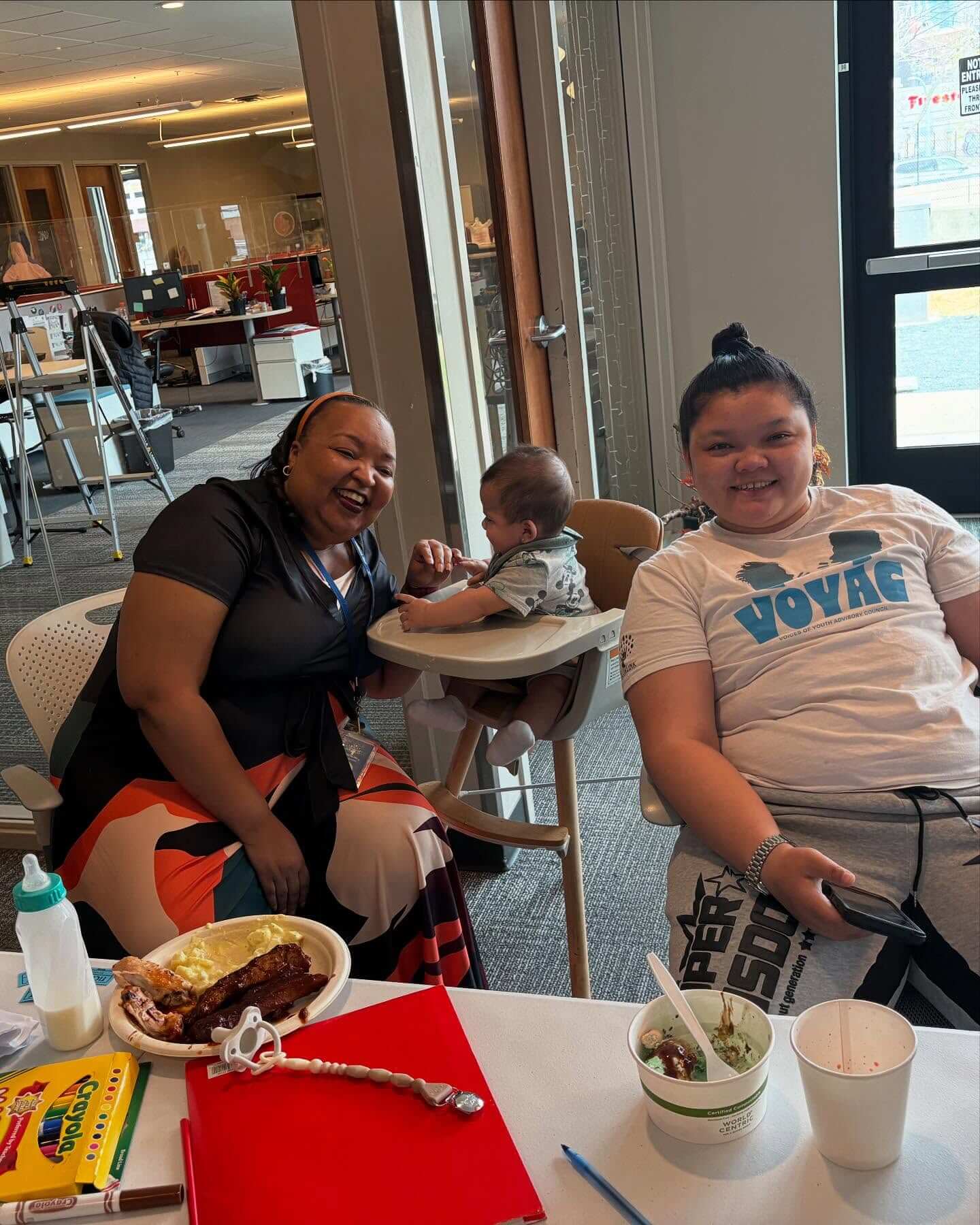
“We do not tell a young person to unpack their bags outside—they can unpack their bags inside,” says Shennika Sudduth, YouthLink’s Senior Director of Programs.
That means youth can bring their whole selves into the Drop-In Center—their stories, their trauma, their questions, their hopes—and find a community ready to walk alongside them.
Rewriting the Narrative
BJ puts it plainly: “Homelessness doesn’t happen in a vacuum. There’s always a story behind it—some sort of trauma, abuse, rejection. Maybe all of those things. Our job is to help youth write a new story.”
And with consistent mental health support, youth do begin to heal. They build trust. They learn coping strategies. They envision a future for themselves.
That’s why we’re committed to offering mental health support—now and into the future.
But It Takes A Community
There’s growing concern about the future of mental health funding. Cuts to Medicaid or federal and state grants would directly impact youth experiencing homelessness—many of whom already fall through the cracks.
“There’re not always services to help individuals, or they’re available, but you don’t know how to access them, especially if you are struggling,” Andrea says. “The system isn’t always easy to navigate.”
“If those funding sources dry up, who is going to stand in to fill the gap for these youth? Who is going to step up to the plate for them? Go to bat for them?” BJ adds. With your support, we can protect and expand these critical services. Together, we can be the place where young people unpack their bags, share their stories, and begin to heal.