Preventing Youth Homelessness: The Power of Early Intervention
Preventing homelessness before it starts is one of the most powerful ways to create lasting stability for young people in our community. Experiencing homelessness is profoundly traumatic and can disrupt a young person’s ability to work, go to school, and build a stable future. Preventing homelessness starts with building trust and providing the right resources before a young person experiences a housing crisis.
Here at YouthLink, Christian Ybarra, Housing Prevention Specialist, plays a critical role in connecting youth with rental assistance, mental health support, and direct services to help youth at risk of homelessness to stay housed.
Building Trust Through Relationships
For Christian, the foundation of their work is forming meaningful connections with youth, meeting them where they are, and ensuring they feel heard. “A big part of what I do is just listening—hearing their individual stories is really impactful,” Christian shares. Because many young people have experienced broken trust within systems meant to support them, Christian prioritizes creating a safe and approachable dynamic. “I always try to make sure they know I’m on their level, that there aren’t too many barriers between us. You want to get them to not feel hopeless.”

Providing Rental Assistance & Direct Client Support
One of the key ways YouthLink helps prevent homelessness is through rental assistance and advocacy. Christian leads a program funded through Rent Help Hennepin, guiding youth through the application process, gathering the necessary documentation, and communicating with county workers and property managers. “My role involves helping youth navigate rental assistance. I put in applications, stay in contact with county workers and processors, and make sure young people understand what’s happening—whether their application is approved or denied. It’s about being transparent and making sure they don’t feel left in the dark.”
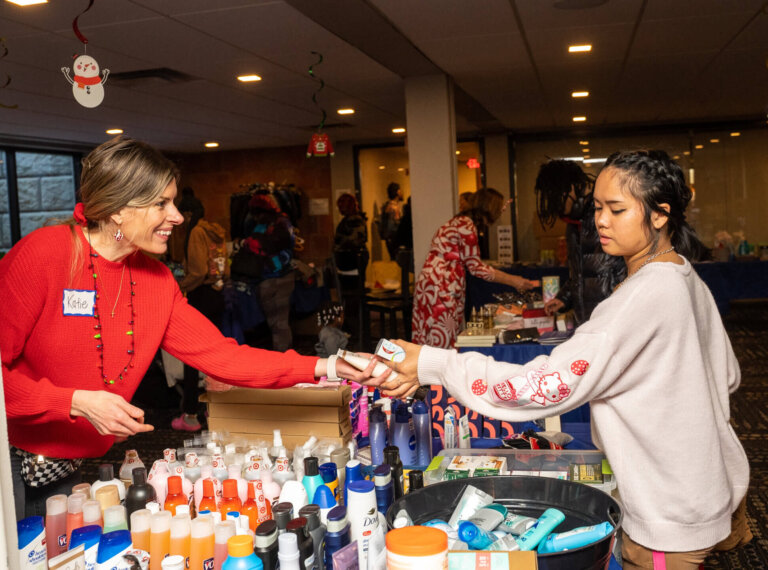
YouthLink also leverages private dollars from individual donors to help youth pay back bills and stay housed. And beyond financial assistance, YouthLink provides day-to-day support with essential needs, from food to hygiene products to healthcare. “If a young person needs hygiene items, help accessing the clinic, or general drop-in assistance, we make sure they get what they need,” Christian explains.
In addition to rental assistance and direct client support, YouthLink’s homelessness prevention efforts include:
Legal Support & Advocacy
An eviction record can make it nearly impossible for a young person to secure stable housing in the future. YouthLink partners with Mid-Minnesota Legal Aid to provide legal assistance for youth facing eviction or needing help correcting inaccuracies on rental records. By advocating for young people’s rights in court, we work to keep them housed and reduce barriers to future housing stability.
Employment & Education Support
Stable housing is closely tied to stable income. Onsite employment and education programs, in partnership with organizations like Hired and Goodwill Easter Seals, connect youth with job training, career opportunities, and educational resources to help them secure a livable wage. Financial stability is a key factor in preventing homelessness, and by equipping youth with skills and opportunities, we empower them to build independent, secure futures.
Financial Literacy & Budgeting Support
Many young people experiencing housing instability have never learned how to budget, manage credit, or navigate rental agreements. At YouthLink, we help youth create honest, sustainable budgets and understand their financial responsibilities. This education empowers them to make informed decisions and avoid financial pitfalls that could lead to eviction.
Nakeela’s Story: The Impact of Prevention
When Nakeela started working with Christian, she was overwhelmed with worry and facing eviction with over $6,000 in past-due rent. She had fallen behind due to health issues and the added responsibility of helping raise her niece. With nowhere else to turn, she felt hopeless. But Nakeela took action by coming to YouthLink. Christian and Youthlink’s team of case managers helped her apply for rental assistance and advocated on her behalf, securing $2,500 to cover her most urgent overdue rent. This intervention prevented Nakeela from being evicted, giving her the chance to catch up on her bills and regain stability. Today, she remains housed, has renewed hope, and is determined to work toward long-term financial independence. If Nakeela had become homeless, her journey would have looked very different and the challenges, as well as the stress and trauma, she faced would have been even greater.
Homelessness Prevention is More Than Just Housing
But homelessness prevention isn’t just about financial aid—it also means addressing the root causes that put youth at risk. “A lot of people have a loose idea of what homelessness prevention is,” Christian says. “But it can be as simple as access to mental health services, helping someone talk to a counselor, or addressing struggles with substance use. It’s not solely cut and dry.”
For many young people, experiencing housing instability comes with feelings of shame and isolation. Christian works to break that stigma by reminding them they are not alone. “They’re in a situation that can happen to anyone,” they emphasize. “A lot of youth feel ashamed about it, and it really affects their mental health. But helping them see that their experience is more common than they think—that can be really powerful.”
Addressing the Root Causes: Risk Factors & Early Intervention
Preventing youth homelessness requires addressing the root causes that put young people at risk in the first place. Key risk factors include:
- Family Conflict & Abuse – Many young people leave home due to family friction or unsafe living situations. In conflict situations where the young person’s safety is not at risk, early intervention through counseling, family mediation, and supportive services can sometimes help resolve conflicts and prevent homelessness. In some situations, case managers help youth strengthen relationships with other family members who are willing to house them. And in others, youth may need more resources and non-family support to stay safe and work toward stability and independence.
- Mental Health & Substance Use – Mental health challenges arise for a multitude of reasons, and they frequently accompany financial challenges, health concerns, and housing instability. And mental health challenges and a feeling of hopelessness can often lead to substance use. Youth struggling with mental and chemical health challenges often lack the support they need. Access to culturally responsive counseling and addiction support can ease crises arising from housing instability and help prevent homelessness.
- Economic Instability – Financial hardship is one of the biggest drivers of homelessness, whether it results from a health crisis, loss of a job, or unaffordability of housing. Financial resources and literacy, job training, career development, and rental assistance can help young people avoid eviction and access a path to stability.
- Lack of Educational Support – School instability and dropping out increase the likelihood of future homelessness. Mentorship, tutoring, and academic support programs help keep youth working toward their educational goals and on track for stable careers.
- Aging Out of Foster Care – Many youth aging out of the foster system lack support for independent living. Life skills training and housing support can provide a smoother transition into adulthood.
- LGBTQ+ Discrimination – LGBTQ+ youth are disproportionately affected by homelessness due to family rejection and alienation. Providing affirming housing and support services helps prevent them from experiencing homelessness.
- Criminal-Legal System Involvement: Young people with involvement in the criminal legal system face significant barriers to stable housing, especially when also managing mental or chemical health challenges. Without proper support, they are at a higher risk of homelessness. YouthLink works proactively to provide housing resources, advocacy, and individualized support, ensuring that youth exiting the legal system have the stability and opportunities needed to avoid homelessness, reduce recidivism, and build a stronger future.
The Path Forward: How Community Members Can Help Prevent Homelessness
While YouthLink’s prevention programs have made a tremendous impact, the need remains great. Continued support from our community is necessary to expand these efforts and ensure every young person has the resources to stay housed. Here’s how you can help:
- Become a Monthly Donor – Your contributions provide critical rental assistance, emergency funds, and wrap-around services to young people in crisis.
- Advocate – Support policies that prioritize homelessness prevention and increase the affordable housing options in our community.
- Provide Essential Supplies for Young People – One simple yet impactful way to help prevent homelessness is by ensuring young people have the essential items they need to stay housed and stable. By purchasing hygiene products, household essentials, and other critical supplies from YouthLink’s Amazon and Target wish lists, you can directly support young people by helping them stretch their budgets further.
Preventing youth homelessness isn’t just possible—it’s essential. By investing in early intervention, we can reduce trauma, lower costs for our community, and create a future where every young person has the opportunity to succeed. Together, we can make homelessness rare, brief, and nonrecurring for youth in our community.
To learn more about how you can support YouthLink’s prevention efforts, visit YouthLink’s website!